
Proposal to install a Pendulum Regulator to the clock based in the bell tower
This proposal is published on April 19th 2026 for the purpose of public consultation.
Statement of significance and needs
Background and proposal
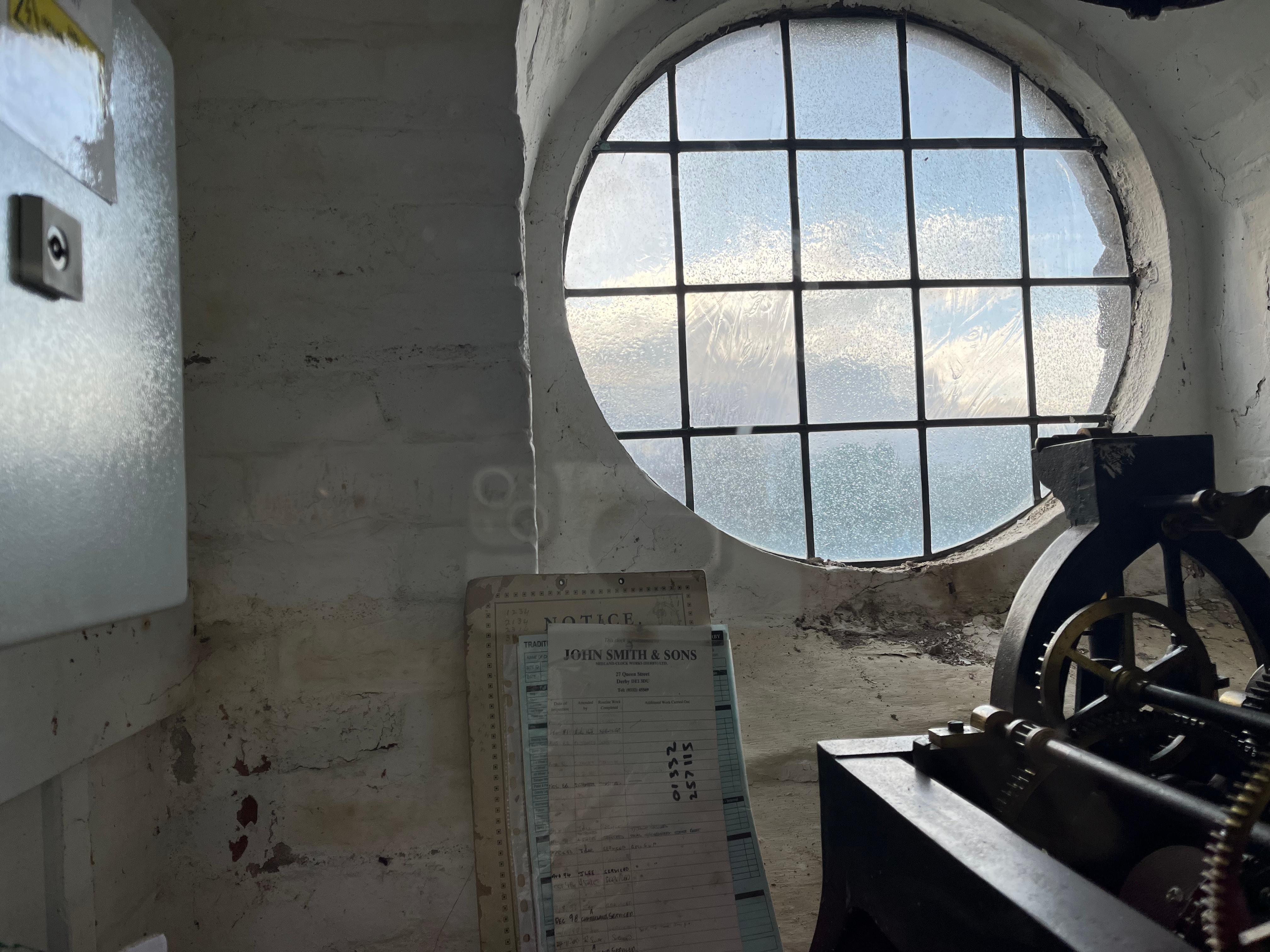
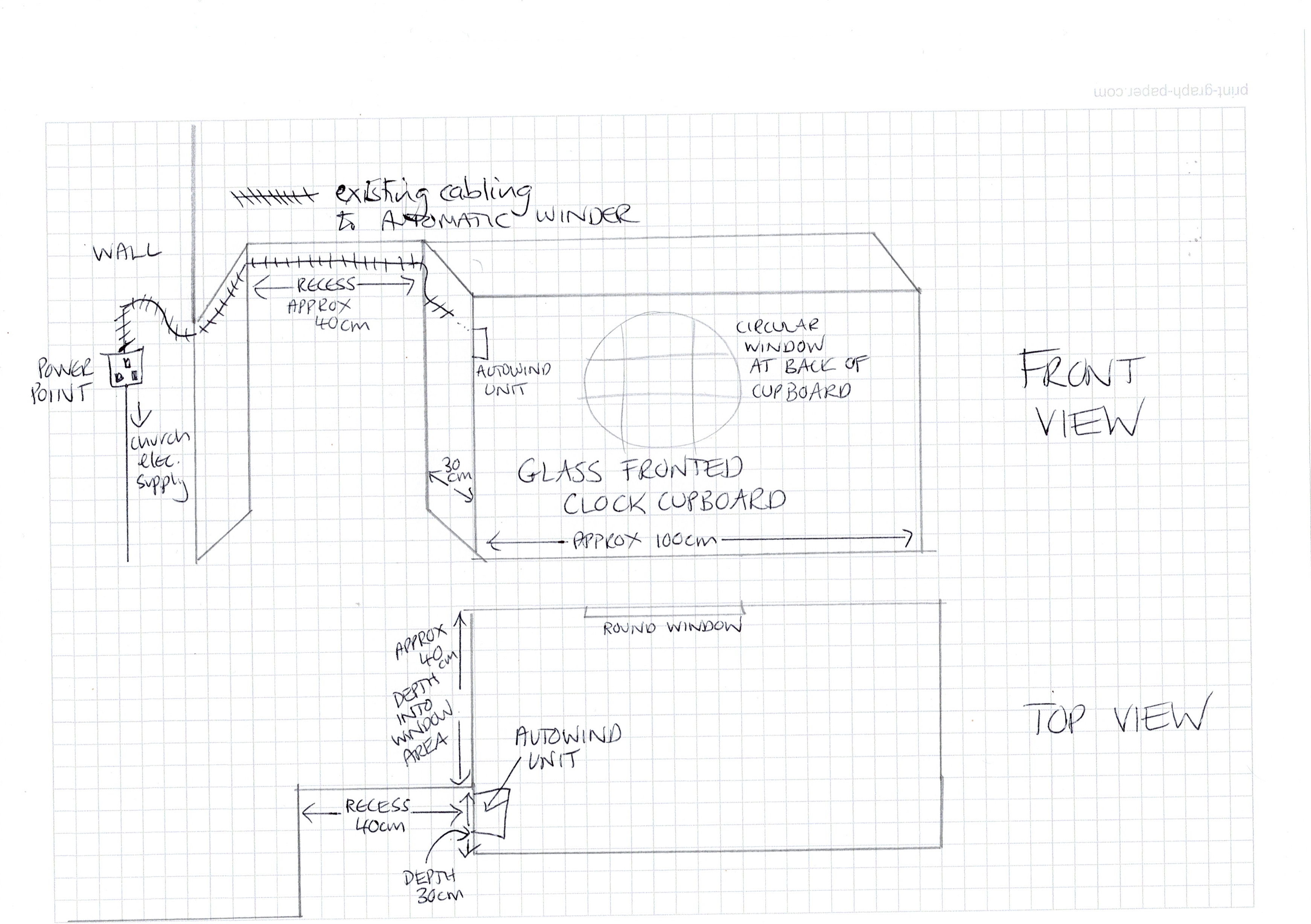
The clock mechanism at St Peter’s Church is a John Smith hour strike in a flatbed frame. It has already been converted to automatic electric winding. Manual timekeeping adjustment is needed several times a year at present. Access to the clock is up steep steps to the belltower, and is therefore not straightforward for PCC members; the majority of whom are over 70. A Pendulum Regulator (PAR) will remove the need for manual timekeeping adjustments, by automatically regulating the time of the clock each hour. The unit will be mounted next to the pendulum, on a bespoke bracket. This will magnetically catch the pendulum bob when appropriate, to regulate the time accordingly and complete the GMT/BST time change automatically.
Statement of Significance
The church clock is a vital part of the building’s historic fabric and has served as a public timekeeper for generations. As one of the most visible and audible features of the church, the clock and its hourly striking have long provided a shared rhythm for the surrounding community, marking daily life, worship, and civic events. Its presence in the bell tower contributes to the architectural, cultural, and social heritage of the parish.
The pendulum regulator is a critical component of the clock’s mechanical movement. It ensures accurate and stable timekeeping by controlling the oscillation rate of the pendulum, which in turn governs the motion of the hands and the striking mechanism. In traditional turret clocks, the regulator is essential for maintaining precision despite environmental challenges such as temperature fluctuations, tower vibration, and seasonal changes, so that manual intervention is not needed.
Preserving the clock’s mechanical integrity supports the wider conservation of the church as a historic landmark. Maintaining accurate timekeeping not only honours the craftsmanship of the original clockmaker but also sustains the clock’s role as a functional heritage asset. The installation or restoration of a pendulum regulator therefore contributes directly to the long‑term preservation, authenticity, and continued public value of the church clock.
Statement of Need
The existing clock mechanism is currently unable to maintain reliable timekeeping due to the absence of a Pendulum Regulator. Without a properly functioning regulator, the clock experiences drift, irregular striking, and increased mechanical wear. This compromises both the accuracy of the public time display and the long‑term health of the clock’s movement.
A pendulum regulator is required to stabilise the clock’s operation. Modern conservation‑grade regulators are designed to be sympathetic to historic mechanisms while providing improved precision and reduced sensitivity to environmental changes within the bell tower. Installing an appropriate regulator will:
- Restore accurate and dependable timekeeping for the community
- Reduce strain on the clock’s gears, escapement, and striking train
- Prevent avoidable deterioration of original historic components
- Ensure the clock remains a functioning heritage feature rather than a static display
- Support ongoing maintenance by providing a stable and adjustable timing reference
Given the clock’s age, heritage value, and continued public use, addressing this need is essential to safeguard the mechanism for future generations. The installation of a pendulum regulator represents a cost‑effective and conservation‑minded intervention that will secure the clock’s operational and historical integrity.
Marchington St Peters PCC February 23rd 2026
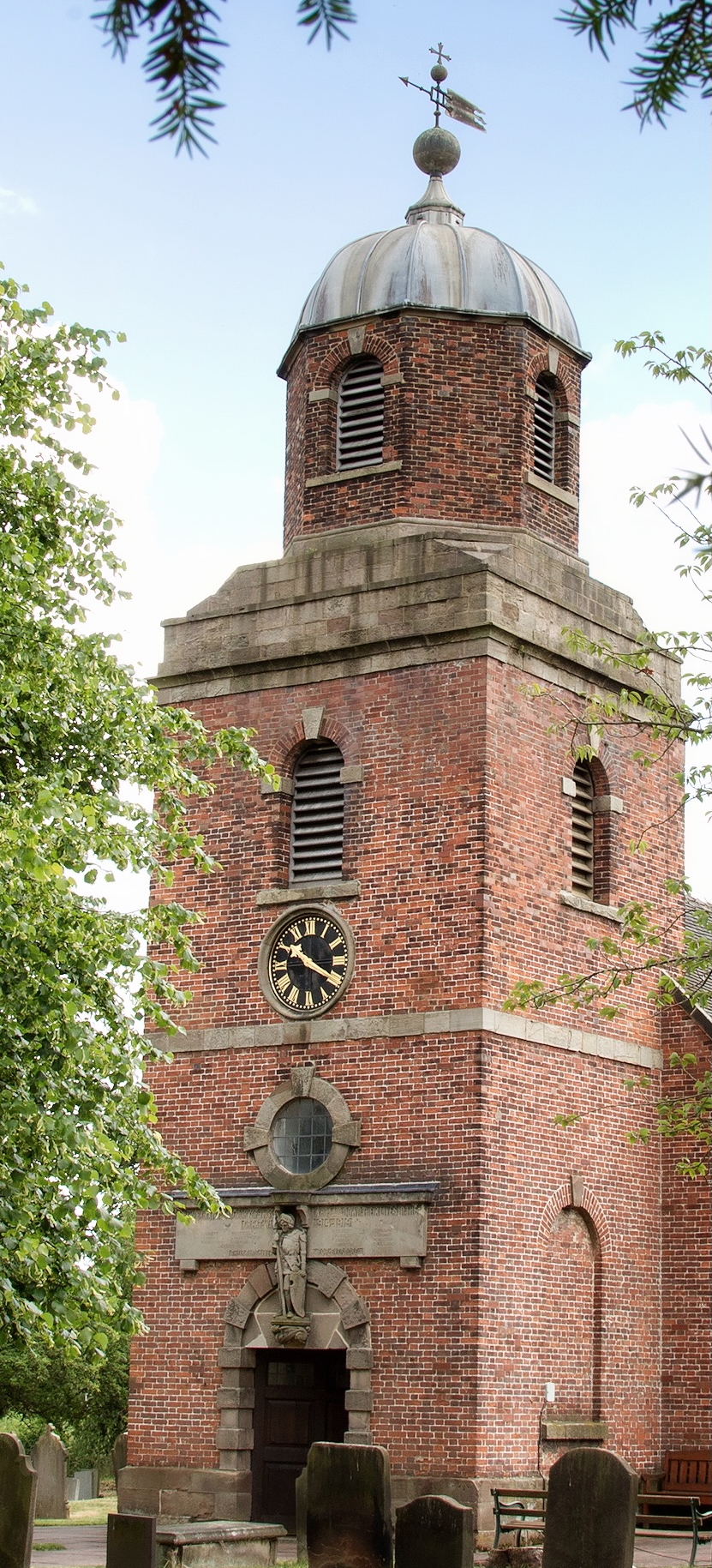
The photographs show
- the exterior of the bell tower and clock
- the interior behind the round window where the Regulator is to be installed
- a schematic diagram of the installation
Any observations, comments or enquiries please to Liz via this email address stpetersmarch@gmail.com
 St Peter's Church, Marchington